
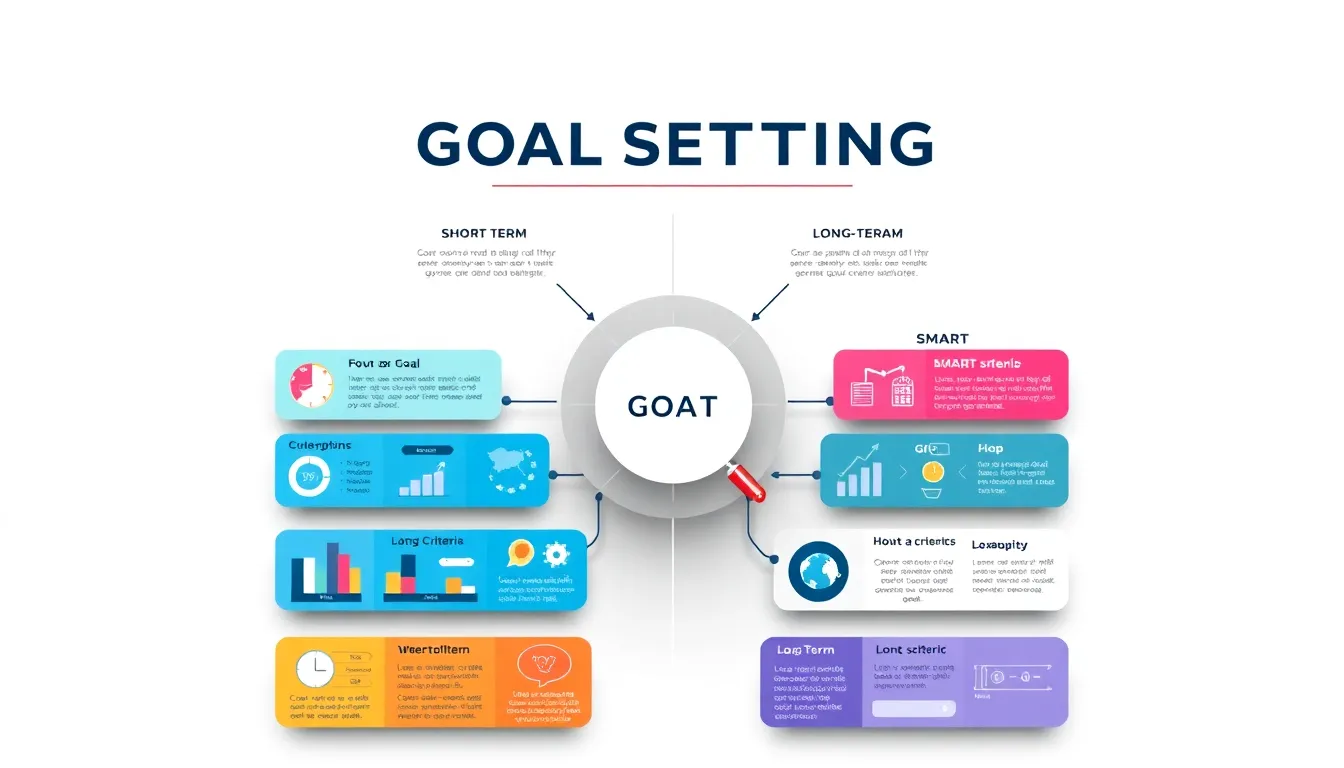
Goal setting doesn’t have to be a tedious task filled with complicated jargon. In fact, it can be quite fun, imagine a world where your aspirations are more than just scribbles on a notepad. Think of it as crafting a treasure map that leads straight to your dreams. In this guide, we’ll break down the essentials of goal setting, sprinkling in some humor and practical tips along the way. Let’s turn those lofty ambitions into tangible results, one infographic at a time.
Understanding the Importance of Goal Setting
Setting goals is more than just a motivational buzzword: it’s a crucial practice that helps individuals focus their efforts, measure their progress, and eventually get where they want to go. Picture a ship. Without a destination, it drifts aimlessly, vulnerable to the whims of the sea. Similarly, without clear goals, individuals may find themselves lost in the chaos of daily life. Goals provide direction, instill motivation, and boost confidence.
Also, they encourage accountability. When someone sets a goal, they often share it with others. This can foster a supportive community of peers who nudge each other along the journey. When others know your goals, it’s a little harder to skip that workout or procrastinate on that project. The connection between goal setting and personal development cannot be overstated: it elevates performance and catalyzes personal growth.
Types of Goals: Short-Term vs. Long-Term
Goals can generally be divided into two categories: short-term and long-term. Short-term goals are those actionable items that can be achieved relatively quickly, think of them as stepping stones toward larger aspirations. They can include things like completing a project this week or saving a certain amount of money by the end of the month.
Long-term goals, on the other hand, require more sustained effort and time to achieve. These might involve obtaining a degree, writing a book, or climbing the corporate ladder. While both types of goals are important, they serve different functions in the journey of achievement. Short-term goals act as a motivational boost, offering quick wins, whereas long-term goals give individuals a sense of purpose, guiding their actions and choices over time.
The SMART Criteria for Effective Goals
When it comes to goal setting, not all goals are created equal. Enter the SMART criteria, an acronym that makes goal setting systematic and effective.
Specific: Goals should be clear and specific to give direction. Instead of saying “I want to be healthier,” a more specific goal might be “I want to run a 5K race in under 30 minutes.”
Measurable: A measurable goal allows individuals to track progress. It’s essential to quantify goals: for example, aiming to save $1,000 in a savings account is measurable.
Achievable: Unrealistic goals can do more harm than good. Ensure that the set goals are attainable. Running a marathon next week might not be realistic for someone just starting to jog.
Relevant: Goals should align with a person’s values and long-term objectives. It makes no sense to pursue goals that aren’t relevant to someone’s overall life strategy.
Time-bound: A deadline creates urgency. A goal like “I want to lose 10 pounds by the end of three months” provides a timeline to keep the individual focused.
Visualizing Your Goals: Building an Infographic
Creating a visual representation of goals can significantly enhance motivation and comprehension. Infographics simplify complex ideas and make goals more digestible. Here’s how to craft an engaging goal-setting infographic:
Design Tips for Creating Engaging Infographics
Using vibrant colors and engaging visuals can captivate an audience’s attention. Keep the layout clean and focused. Ensure that the font is legible and the imagery reinforces the essential messages. Infographics should tell a story, so consider using flowcharts, timelines, or even caricatures of your journey.
Choosing the Right Tools for Infographic Creation
There are countless tools available for creating infographics. Software like Canva and Piktochart makes it easy to drag and drop elements, while Adobe Illustrator offers more advanced features for those familiar with graphic design. The best tool depends on personal preference, budget, and the complexity of the infographic.
Examples of Goal Setting Infographics
To illustrate the power of goal setting infographics, let’s take a look at some inspiring examples. Infographics that outline the journey towards a specific goal can capture details like milestones, potential setbacks, and actionable steps. For instance, a student might create a visual timeline detailing their study schedule leading up to an important exam, filled with motivational quotes and colorful images.
Another compelling example might be a business’s infographic that outlines sales goals alongside strategies for achieving them, tracking progress with a visual graph. These examples showcase how infographics are not just visually appealing but also instrumental in reinforcing commitment to goals and making them feel achievable.
Measuring Progress and Achievements
Once goals are set and infographics have been created, it’s vital to keep the momentum going by measuring progress regularly. This involves breaking down long-term goals into smaller milestones, making it easier to track successes along the way. Regularly reviewing these milestones not only builds confidence, but it also allows individuals to adjust their strategies if they’re not seeing the results they desire.
Whether through journaling, apps designed for tracking progress, or revisiting the infographic, measuring progress is key to ensuring that individuals remain on the pathway toward achieving their ultimate objectives.